Postdoctoral Researcher
School of Economics, Zhejiang University
Postdoctoral supervisor: Prof. Jianjun Miao.
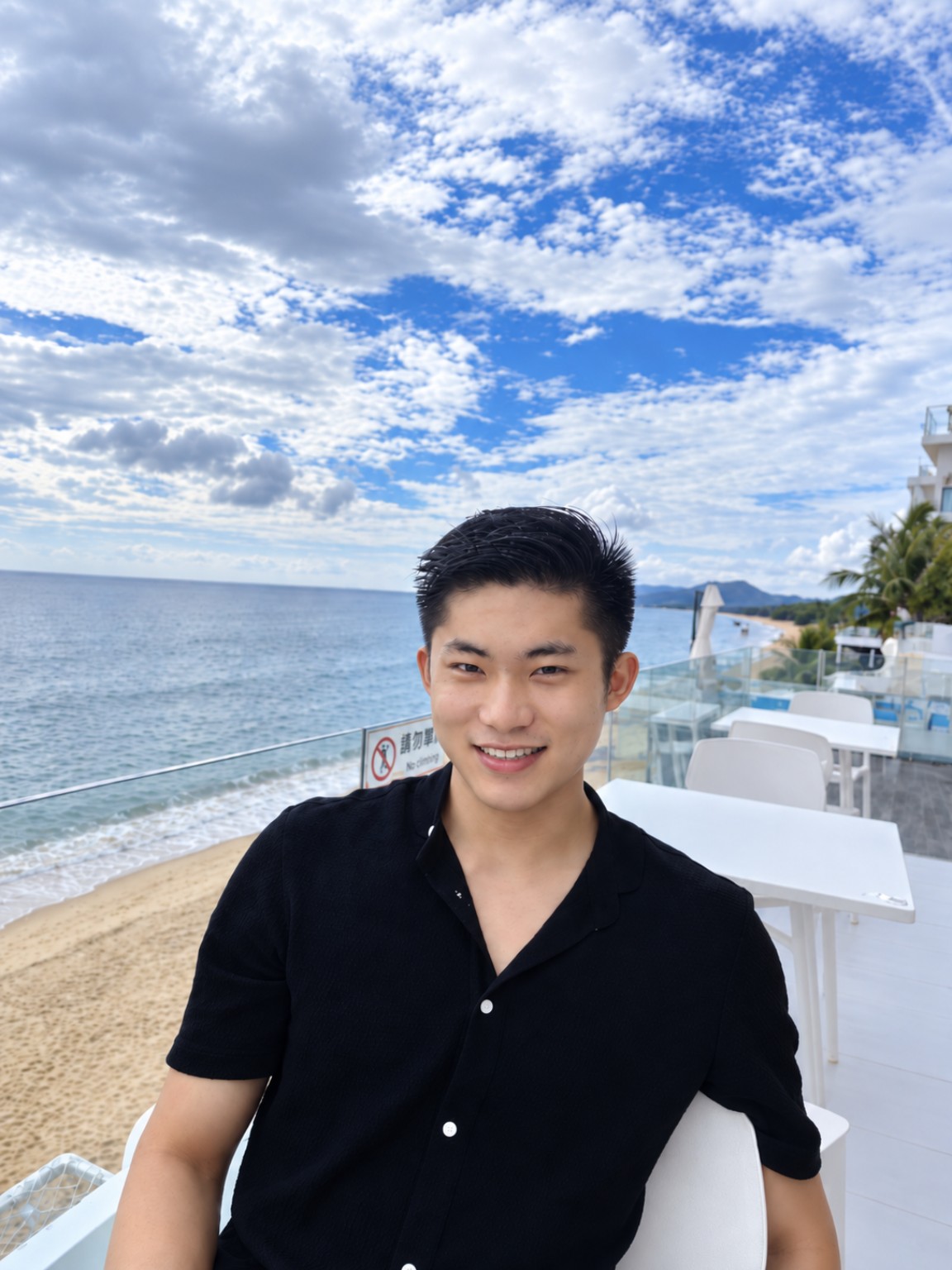
Postdoctoral Researcher · Zhejiang University
My research fields are environmental macroeconomics, endogenous growth, and directed technical change. My long-term goal is to develop a general macroeconomic growth framework that incorporates a broad range of environmental constraints and endogenous progress in multiple technologies. My current research focuses on the non-carbon environmental burdens of clean technologies and the circular economy. I combine theoretical modeling with quantitative policy analysis.
I am also interested in how advances in AI can be modeled within endogenous growth theory and how they affect supply chains. To test the implications of my research, I work to translate macroeconomic research into trading strategies for secondary markets and am exploring new forms of close collaboration that integrate macroeconomic research with quantitative trading.
School of Economics, Zhejiang University
Postdoctoral supervisor: Prof. Jianjun Miao.
Department of Economics, University of Zurich
Postdoctoral supervisor: Prof. David Hémous.
2021–2026
School of Economics, Nankai University
Direct entry after the bachelor’s degree. Supervisor: Prof. Maochu Zhong.
2017–2021
Business School, Nankai University
Management Science and Engineering. Ranked 1st of 21 students.
Haotian Zheng, Yu Qi, and Kedi Jing. Applied Economics Letters, 2026, advance online publication.
Haotian Zheng, Caiyun Zhang, and Xiaoxi Zhang. Applied Economics, 2025, 57(34), 5148–5163.
Kedi Jing, Baoliu Liu, and Haotian Zheng. Applied Economics, 2026, advance online publication.
Xinwu Liu, Haotian Zheng, and Caiyun Zhang. Second and corresponding author.
With Yang Gao (University of Auckland).
With Yang Gao (University of Auckland).
A dynamic general equilibrium framework with clean-technology environmental burdens, nonlinear environmental damage, and regeneration capacity that deteriorates as pressure accumulates.
With Jianjun Miao.
A multilayer model of AI, production, and monopoly profits across supply chains.
Research on Major Issues in External Work Related to Carbon Peak and Carbon Neutrality
Chief expert: Prof. Maochu Zhong. First author of six policy reports coauthored with Prof. Zhong, responsible for topic development and initial drafting.
Macroeconomic Research Center. Named coauthor and initial drafter of the following macroeconomic policy reports (in Chinese):